
Hits: 103
Ultimately, the feasibility of stopping international flights to sanctuary cities remains a subject of intense skepticism. Beyond the legal and economic hurdles, the pure administrative complexity of such an undertaking is daunting. Nevertheless, the mere introduction of the proposal signals a significant shift in policy priorities, where the tools of global commerce are increasingly leveraged as instruments of domestic political and social control.
As the election cycle progresses, the rhetoric surrounding this proposal is expected to intensify. Whether it becomes an actionable policy or remains a symbolic gesture, the discussion itself highlights the deepening fractures within the American federalist system. For now, the aviation industry and local governments remain on high alert, watching for the first signs of a regulatory shift that could redefine the nature of international travel to the United States.
The Impact on International Relations
On the international stage, the proposal could strain relations with key allies. Many international airlines are state-owned or heavily subsidized by their home governments; a ban on their flights to major American cities would be viewed as a hostile economic act. This could lead to a series of “tit-for-tat” restrictions, where American carriers are banned from landing in major European or Asian capitals, ultimately damaging the competitive edge of the U.S. airline industry.
Ultimately, the feasibility of stopping international flights to sanctuary cities remains a subject of intense skepticism. Beyond the legal and economic hurdles, the pure administrative complexity of such an undertaking is daunting. Nevertheless, the mere introduction of the proposal signals a significant shift in policy priorities, where the tools of global commerce are increasingly leveraged as instruments of domestic political and social control.
As the election cycle progresses, the rhetoric surrounding this proposal is expected to intensify. Whether it becomes an actionable policy or remains a symbolic gesture, the discussion itself highlights the deepening fractures within the American federalist system. For now, the aviation industry and local governments remain on high alert, watching for the first signs of a regulatory shift that could redefine the nature of international travel to the United States.
Local leaders in targeted cities have been quick to denounce the plan, calling it a form of “economic hostage-taking.” Mayors from across the country have issued joint statements asserting that their status as sanctuary cities is a matter of public safety and constitutional right, and that they will not be intimidated by threats to their transportation hubs. They argue that such policies would harm American citizens and businesses far more than they would deter undocumented immigration.
The Impact on International Relations
On the international stage, the proposal could strain relations with key allies. Many international airlines are state-owned or heavily subsidized by their home governments; a ban on their flights to major American cities would be viewed as a hostile economic act. This could lead to a series of “tit-for-tat” restrictions, where American carriers are banned from landing in major European or Asian capitals, ultimately damaging the competitive edge of the U.S. airline industry.
Ultimately, the feasibility of stopping international flights to sanctuary cities remains a subject of intense skepticism. Beyond the legal and economic hurdles, the pure administrative complexity of such an undertaking is daunting. Nevertheless, the mere introduction of the proposal signals a significant shift in policy priorities, where the tools of global commerce are increasingly leveraged as instruments of domestic political and social control.
As the election cycle progresses, the rhetoric surrounding this proposal is expected to intensify. Whether it becomes an actionable policy or remains a symbolic gesture, the discussion itself highlights the deepening fractures within the American federalist system. For now, the aviation industry and local governments remain on high alert, watching for the first signs of a regulatory shift that could redefine the nature of international travel to the United States.
Politically, the proposal serves as a powerful message to a base that prioritizes strict immigration enforcement. It frames the immigration debate not just as a border issue, but as a struggle for control over the nation’s infrastructure. By targeting high-profile urban centers, the proposal highlights the cultural and political divide between the administration’s supporters and the leadership of major American cities, turning international airports into the newest battlegrounds in the “culture wars.”
Local leaders in targeted cities have been quick to denounce the plan, calling it a form of “economic hostage-taking.” Mayors from across the country have issued joint statements asserting that their status as sanctuary cities is a matter of public safety and constitutional right, and that they will not be intimidated by threats to their transportation hubs. They argue that such policies would harm American citizens and businesses far more than they would deter undocumented immigration.
The Impact on International Relations
On the international stage, the proposal could strain relations with key allies. Many international airlines are state-owned or heavily subsidized by their home governments; a ban on their flights to major American cities would be viewed as a hostile economic act. This could lead to a series of “tit-for-tat” restrictions, where American carriers are banned from landing in major European or Asian capitals, ultimately damaging the competitive edge of the U.S. airline industry.
Ultimately, the feasibility of stopping international flights to sanctuary cities remains a subject of intense skepticism. Beyond the legal and economic hurdles, the pure administrative complexity of such an undertaking is daunting. Nevertheless, the mere introduction of the proposal signals a significant shift in policy priorities, where the tools of global commerce are increasingly leveraged as instruments of domestic political and social control.
As the election cycle progresses, the rhetoric surrounding this proposal is expected to intensify. Whether it becomes an actionable policy or remains a symbolic gesture, the discussion itself highlights the deepening fractures within the American federalist system. For now, the aviation industry and local governments remain on high alert, watching for the first signs of a regulatory shift that could redefine the nature of international travel to the United States.
Political Strategy and Public Perception
Politically, the proposal serves as a powerful message to a base that prioritizes strict immigration enforcement. It frames the immigration debate not just as a border issue, but as a struggle for control over the nation’s infrastructure. By targeting high-profile urban centers, the proposal highlights the cultural and political divide between the administration’s supporters and the leadership of major American cities, turning international airports into the newest battlegrounds in the “culture wars.”
Local leaders in targeted cities have been quick to denounce the plan, calling it a form of “economic hostage-taking.” Mayors from across the country have issued joint statements asserting that their status as sanctuary cities is a matter of public safety and constitutional right, and that they will not be intimidated by threats to their transportation hubs. They argue that such policies would harm American citizens and businesses far more than they would deter undocumented immigration.
The Impact on International Relations
On the international stage, the proposal could strain relations with key allies. Many international airlines are state-owned or heavily subsidized by their home governments; a ban on their flights to major American cities would be viewed as a hostile economic act. This could lead to a series of “tit-for-tat” restrictions, where American carriers are banned from landing in major European or Asian capitals, ultimately damaging the competitive edge of the U.S. airline industry.
Ultimately, the feasibility of stopping international flights to sanctuary cities remains a subject of intense skepticism. Beyond the legal and economic hurdles, the pure administrative complexity of such an undertaking is daunting. Nevertheless, the mere introduction of the proposal signals a significant shift in policy priorities, where the tools of global commerce are increasingly leveraged as instruments of domestic political and social control.
As the election cycle progresses, the rhetoric surrounding this proposal is expected to intensify. Whether it becomes an actionable policy or remains a symbolic gesture, the discussion itself highlights the deepening fractures within the American federalist system. For now, the aviation industry and local governments remain on high alert, watching for the first signs of a regulatory shift that could redefine the nature of international travel to the United States.
Furthermore, the proposal touches upon the Tenth Amendment, which reserves powers not delegated to the federal government to the states. Sanctuary policies are often rooted in the state’s right to manage its own law enforcement resources. Attempting to penalize this autonomy by cutting off international aviation links would set a legal precedent that could fundamentally shift the balance of power between federal and local governments in the United States.
Political Strategy and Public Perception
Politically, the proposal serves as a powerful message to a base that prioritizes strict immigration enforcement. It frames the immigration debate not just as a border issue, but as a struggle for control over the nation’s infrastructure. By targeting high-profile urban centers, the proposal highlights the cultural and political divide between the administration’s supporters and the leadership of major American cities, turning international airports into the newest battlegrounds in the “culture wars.”
Local leaders in targeted cities have been quick to denounce the plan, calling it a form of “economic hostage-taking.” Mayors from across the country have issued joint statements asserting that their status as sanctuary cities is a matter of public safety and constitutional right, and that they will not be intimidated by threats to their transportation hubs. They argue that such policies would harm American citizens and businesses far more than they would deter undocumented immigration.
The Impact on International Relations
On the international stage, the proposal could strain relations with key allies. Many international airlines are state-owned or heavily subsidized by their home governments; a ban on their flights to major American cities would be viewed as a hostile economic act. This could lead to a series of “tit-for-tat” restrictions, where American carriers are banned from landing in major European or Asian capitals, ultimately damaging the competitive edge of the U.S. airline industry.
Ultimately, the feasibility of stopping international flights to sanctuary cities remains a subject of intense skepticism. Beyond the legal and economic hurdles, the pure administrative complexity of such an undertaking is daunting. Nevertheless, the mere introduction of the proposal signals a significant shift in policy priorities, where the tools of global commerce are increasingly leveraged as instruments of domestic political and social control.
As the election cycle progresses, the rhetoric surrounding this proposal is expected to intensify. Whether it becomes an actionable policy or remains a symbolic gesture, the discussion itself highlights the deepening fractures within the American federalist system. For now, the aviation industry and local governments remain on high alert, watching for the first signs of a regulatory shift that could redefine the nature of international travel to the United States.
Central to the legal debate is the Commerce Clause, which grants Congress the power to regulate commerce with foreign nations. Critics of the flight ban argue that the executive branch cannot unilaterally block commerce to specific cities based on their local policy stances. They assert that such an action would be an arbitrary and capricious use of power, likely facing immediate injunctions in federal courts. However, proponents point to national security statutes that allow the President to restrict air travel during periods of perceived crisis or to ensure the integrity of the nation’s borders.
Furthermore, the proposal touches upon the Tenth Amendment, which reserves powers not delegated to the federal government to the states. Sanctuary policies are often rooted in the state’s right to manage its own law enforcement resources. Attempting to penalize this autonomy by cutting off international aviation links would set a legal precedent that could fundamentally shift the balance of power between federal and local governments in the United States.
Political Strategy and Public Perception
Politically, the proposal serves as a powerful message to a base that prioritizes strict immigration enforcement. It frames the immigration debate not just as a border issue, but as a struggle for control over the nation’s infrastructure. By targeting high-profile urban centers, the proposal highlights the cultural and political divide between the administration’s supporters and the leadership of major American cities, turning international airports into the newest battlegrounds in the “culture wars.”
Local leaders in targeted cities have been quick to denounce the plan, calling it a form of “economic hostage-taking.” Mayors from across the country have issued joint statements asserting that their status as sanctuary cities is a matter of public safety and constitutional right, and that they will not be intimidated by threats to their transportation hubs. They argue that such policies would harm American citizens and businesses far more than they would deter undocumented immigration.
The Impact on International Relations
On the international stage, the proposal could strain relations with key allies. Many international airlines are state-owned or heavily subsidized by their home governments; a ban on their flights to major American cities would be viewed as a hostile economic act. This could lead to a series of “tit-for-tat” restrictions, where American carriers are banned from landing in major European or Asian capitals, ultimately damaging the competitive edge of the U.S. airline industry.
Ultimately, the feasibility of stopping international flights to sanctuary cities remains a subject of intense skepticism. Beyond the legal and economic hurdles, the pure administrative complexity of such an undertaking is daunting. Nevertheless, the mere introduction of the proposal signals a significant shift in policy priorities, where the tools of global commerce are increasingly leveraged as instruments of domestic political and social control.
As the election cycle progresses, the rhetoric surrounding this proposal is expected to intensify. Whether it becomes an actionable policy or remains a symbolic gesture, the discussion itself highlights the deepening fractures within the American federalist system. For now, the aviation industry and local governments remain on high alert, watching for the first signs of a regulatory shift that could redefine the nature of international travel to the United States.
The Role of the Commerce Clause
Central to the legal debate is the Commerce Clause, which grants Congress the power to regulate commerce with foreign nations. Critics of the flight ban argue that the executive branch cannot unilaterally block commerce to specific cities based on their local policy stances. They assert that such an action would be an arbitrary and capricious use of power, likely facing immediate injunctions in federal courts. However, proponents point to national security statutes that allow the President to restrict air travel during periods of perceived crisis or to ensure the integrity of the nation’s borders.
Furthermore, the proposal touches upon the Tenth Amendment, which reserves powers not delegated to the federal government to the states. Sanctuary policies are often rooted in the state’s right to manage its own law enforcement resources. Attempting to penalize this autonomy by cutting off international aviation links would set a legal precedent that could fundamentally shift the balance of power between federal and local governments in the United States.
Political Strategy and Public Perception
Politically, the proposal serves as a powerful message to a base that prioritizes strict immigration enforcement. It frames the immigration debate not just as a border issue, but as a struggle for control over the nation’s infrastructure. By targeting high-profile urban centers, the proposal highlights the cultural and political divide between the administration’s supporters and the leadership of major American cities, turning international airports into the newest battlegrounds in the “culture wars.”
Local leaders in targeted cities have been quick to denounce the plan, calling it a form of “economic hostage-taking.” Mayors from across the country have issued joint statements asserting that their status as sanctuary cities is a matter of public safety and constitutional right, and that they will not be intimidated by threats to their transportation hubs. They argue that such policies would harm American citizens and businesses far more than they would deter undocumented immigration.
The Impact on International Relations
On the international stage, the proposal could strain relations with key allies. Many international airlines are state-owned or heavily subsidized by their home governments; a ban on their flights to major American cities would be viewed as a hostile economic act. This could lead to a series of “tit-for-tat” restrictions, where American carriers are banned from landing in major European or Asian capitals, ultimately damaging the competitive edge of the U.S. airline industry.
Ultimately, the feasibility of stopping international flights to sanctuary cities remains a subject of intense skepticism. Beyond the legal and economic hurdles, the pure administrative complexity of such an undertaking is daunting. Nevertheless, the mere introduction of the proposal signals a significant shift in policy priorities, where the tools of global commerce are increasingly leveraged as instruments of domestic political and social control.
As the election cycle progresses, the rhetoric surrounding this proposal is expected to intensify. Whether it becomes an actionable policy or remains a symbolic gesture, the discussion itself highlights the deepening fractures within the American federalist system. For now, the aviation industry and local governments remain on high alert, watching for the first signs of a regulatory shift that could redefine the nature of international travel to the United States.
Legal scholars are already debating the constitutionality of using the FAA’s regulatory power as a political tool against specific domestic jurisdictions. While the executive branch holds broad authority over foreign affairs and border security, the Supreme Court has historically limited the government’s ability to coerce states and cities into enforcing federal law through the withholding of essential services or the disruption of commerce.
The Role of the Commerce Clause
Central to the legal debate is the Commerce Clause, which grants Congress the power to regulate commerce with foreign nations. Critics of the flight ban argue that the executive branch cannot unilaterally block commerce to specific cities based on their local policy stances. They assert that such an action would be an arbitrary and capricious use of power, likely facing immediate injunctions in federal courts. However, proponents point to national security statutes that allow the President to restrict air travel during periods of perceived crisis or to ensure the integrity of the nation’s borders.
Furthermore, the proposal touches upon the Tenth Amendment, which reserves powers not delegated to the federal government to the states. Sanctuary policies are often rooted in the state’s right to manage its own law enforcement resources. Attempting to penalize this autonomy by cutting off international aviation links would set a legal precedent that could fundamentally shift the balance of power between federal and local governments in the United States.
Political Strategy and Public Perception
Politically, the proposal serves as a powerful message to a base that prioritizes strict immigration enforcement. It frames the immigration debate not just as a border issue, but as a struggle for control over the nation’s infrastructure. By targeting high-profile urban centers, the proposal highlights the cultural and political divide between the administration’s supporters and the leadership of major American cities, turning international airports into the newest battlegrounds in the “culture wars.”
Local leaders in targeted cities have been quick to denounce the plan, calling it a form of “economic hostage-taking.” Mayors from across the country have issued joint statements asserting that their status as sanctuary cities is a matter of public safety and constitutional right, and that they will not be intimidated by threats to their transportation hubs. They argue that such policies would harm American citizens and businesses far more than they would deter undocumented immigration.
The Impact on International Relations
On the international stage, the proposal could strain relations with key allies. Many international airlines are state-owned or heavily subsidized by their home governments; a ban on their flights to major American cities would be viewed as a hostile economic act. This could lead to a series of “tit-for-tat” restrictions, where American carriers are banned from landing in major European or Asian capitals, ultimately damaging the competitive edge of the U.S. airline industry.
Ultimately, the feasibility of stopping international flights to sanctuary cities remains a subject of intense skepticism. Beyond the legal and economic hurdles, the pure administrative complexity of such an undertaking is daunting. Nevertheless, the mere introduction of the proposal signals a significant shift in policy priorities, where the tools of global commerce are increasingly leveraged as instruments of domestic political and social control.
As the election cycle progresses, the rhetoric surrounding this proposal is expected to intensify. Whether it becomes an actionable policy or remains a symbolic gesture, the discussion itself highlights the deepening fractures within the American federalist system. For now, the aviation industry and local governments remain on high alert, watching for the first signs of a regulatory shift that could redefine the nature of international travel to the United States.
Legal Thresholds and Federal Authority
Legal scholars are already debating the constitutionality of using the FAA’s regulatory power as a political tool against specific domestic jurisdictions. While the executive branch holds broad authority over foreign affairs and border security, the Supreme Court has historically limited the government’s ability to coerce states and cities into enforcing federal law through the withholding of essential services or the disruption of commerce.
The Role of the Commerce Clause
Central to the legal debate is the Commerce Clause, which grants Congress the power to regulate commerce with foreign nations. Critics of the flight ban argue that the executive branch cannot unilaterally block commerce to specific cities based on their local policy stances. They assert that such an action would be an arbitrary and capricious use of power, likely facing immediate injunctions in federal courts. However, proponents point to national security statutes that allow the President to restrict air travel during periods of perceived crisis or to ensure the integrity of the nation’s borders.
Furthermore, the proposal touches upon the Tenth Amendment, which reserves powers not delegated to the federal government to the states. Sanctuary policies are often rooted in the state’s right to manage its own law enforcement resources. Attempting to penalize this autonomy by cutting off international aviation links would set a legal precedent that could fundamentally shift the balance of power between federal and local governments in the United States.
Political Strategy and Public Perception
Politically, the proposal serves as a powerful message to a base that prioritizes strict immigration enforcement. It frames the immigration debate not just as a border issue, but as a struggle for control over the nation’s infrastructure. By targeting high-profile urban centers, the proposal highlights the cultural and political divide between the administration’s supporters and the leadership of major American cities, turning international airports into the newest battlegrounds in the “culture wars.”
Local leaders in targeted cities have been quick to denounce the plan, calling it a form of “economic hostage-taking.” Mayors from across the country have issued joint statements asserting that their status as sanctuary cities is a matter of public safety and constitutional right, and that they will not be intimidated by threats to their transportation hubs. They argue that such policies would harm American citizens and businesses far more than they would deter undocumented immigration.
The Impact on International Relations
On the international stage, the proposal could strain relations with key allies. Many international airlines are state-owned or heavily subsidized by their home governments; a ban on their flights to major American cities would be viewed as a hostile economic act. This could lead to a series of “tit-for-tat” restrictions, where American carriers are banned from landing in major European or Asian capitals, ultimately damaging the competitive edge of the U.S. airline industry.
Ultimately, the feasibility of stopping international flights to sanctuary cities remains a subject of intense skepticism. Beyond the legal and economic hurdles, the pure administrative complexity of such an undertaking is daunting. Nevertheless, the mere introduction of the proposal signals a significant shift in policy priorities, where the tools of global commerce are increasingly leveraged as instruments of domestic political and social control.
As the election cycle progresses, the rhetoric surrounding this proposal is expected to intensify. Whether it becomes an actionable policy or remains a symbolic gesture, the discussion itself highlights the deepening fractures within the American federalist system. For now, the aviation industry and local governments remain on high alert, watching for the first signs of a regulatory shift that could redefine the nature of international travel to the United States.
Logistically, the rerouting of international flights would pose an unprecedented challenge for the Federal Aviation Administration (FAA) and international regulators. Redirecting traffic to “compliant” cities would require massive infrastructure overhauls at smaller regional airports that lack the customs facilities and runway capacity to handle large wide-body aircraft. Furthermore, such a move would likely trigger reciprocal actions from foreign nations, leading to a breakdown in international bilateral aviation agreements that have been in place for decades.
Legal Thresholds and Federal Authority
Legal scholars are already debating the constitutionality of using the FAA’s regulatory power as a political tool against specific domestic jurisdictions. While the executive branch holds broad authority over foreign affairs and border security, the Supreme Court has historically limited the government’s ability to coerce states and cities into enforcing federal law through the withholding of essential services or the disruption of commerce.
The Role of the Commerce Clause
Central to the legal debate is the Commerce Clause, which grants Congress the power to regulate commerce with foreign nations. Critics of the flight ban argue that the executive branch cannot unilaterally block commerce to specific cities based on their local policy stances. They assert that such an action would be an arbitrary and capricious use of power, likely facing immediate injunctions in federal courts. However, proponents point to national security statutes that allow the President to restrict air travel during periods of perceived crisis or to ensure the integrity of the nation’s borders.
Furthermore, the proposal touches upon the Tenth Amendment, which reserves powers not delegated to the federal government to the states. Sanctuary policies are often rooted in the state’s right to manage its own law enforcement resources. Attempting to penalize this autonomy by cutting off international aviation links would set a legal precedent that could fundamentally shift the balance of power between federal and local governments in the United States.
Political Strategy and Public Perception
Politically, the proposal serves as a powerful message to a base that prioritizes strict immigration enforcement. It frames the immigration debate not just as a border issue, but as a struggle for control over the nation’s infrastructure. By targeting high-profile urban centers, the proposal highlights the cultural and political divide between the administration’s supporters and the leadership of major American cities, turning international airports into the newest battlegrounds in the “culture wars.”
Local leaders in targeted cities have been quick to denounce the plan, calling it a form of “economic hostage-taking.” Mayors from across the country have issued joint statements asserting that their status as sanctuary cities is a matter of public safety and constitutional right, and that they will not be intimidated by threats to their transportation hubs. They argue that such policies would harm American citizens and businesses far more than they would deter undocumented immigration.
The Impact on International Relations
On the international stage, the proposal could strain relations with key allies. Many international airlines are state-owned or heavily subsidized by their home governments; a ban on their flights to major American cities would be viewed as a hostile economic act. This could lead to a series of “tit-for-tat” restrictions, where American carriers are banned from landing in major European or Asian capitals, ultimately damaging the competitive edge of the U.S. airline industry.
Ultimately, the feasibility of stopping international flights to sanctuary cities remains a subject of intense skepticism. Beyond the legal and economic hurdles, the pure administrative complexity of such an undertaking is daunting. Nevertheless, the mere introduction of the proposal signals a significant shift in policy priorities, where the tools of global commerce are increasingly leveraged as instruments of domestic political and social control.
As the election cycle progresses, the rhetoric surrounding this proposal is expected to intensify. Whether it becomes an actionable policy or remains a symbolic gesture, the discussion itself highlights the deepening fractures within the American federalist system. For now, the aviation industry and local governments remain on high alert, watching for the first signs of a regulatory shift that could redefine the nature of international travel to the United States.
The potential economic fallout of such a policy is immense, given that many sanctuary cities—such as New York City, Chicago, and Los Angeles—serve as primary gateways for global commerce. These cities house some of the busiest airports in the world, serving as critical transit points for millions of passengers and billions of dollars in cargo annually. Industry experts warn that disrupting these established routes could lead to massive losses for domestic and international carriers, potentially destabilizing the global aviation network.
Logistically, the rerouting of international flights would pose an unprecedented challenge for the Federal Aviation Administration (FAA) and international regulators. Redirecting traffic to “compliant” cities would require massive infrastructure overhauls at smaller regional airports that lack the customs facilities and runway capacity to handle large wide-body aircraft. Furthermore, such a move would likely trigger reciprocal actions from foreign nations, leading to a breakdown in international bilateral aviation agreements that have been in place for decades.
Legal Thresholds and Federal Authority
Legal scholars are already debating the constitutionality of using the FAA’s regulatory power as a political tool against specific domestic jurisdictions. While the executive branch holds broad authority over foreign affairs and border security, the Supreme Court has historically limited the government’s ability to coerce states and cities into enforcing federal law through the withholding of essential services or the disruption of commerce.
The Role of the Commerce Clause
Central to the legal debate is the Commerce Clause, which grants Congress the power to regulate commerce with foreign nations. Critics of the flight ban argue that the executive branch cannot unilaterally block commerce to specific cities based on their local policy stances. They assert that such an action would be an arbitrary and capricious use of power, likely facing immediate injunctions in federal courts. However, proponents point to national security statutes that allow the President to restrict air travel during periods of perceived crisis or to ensure the integrity of the nation’s borders.
Furthermore, the proposal touches upon the Tenth Amendment, which reserves powers not delegated to the federal government to the states. Sanctuary policies are often rooted in the state’s right to manage its own law enforcement resources. Attempting to penalize this autonomy by cutting off international aviation links would set a legal precedent that could fundamentally shift the balance of power between federal and local governments in the United States.
Political Strategy and Public Perception
Politically, the proposal serves as a powerful message to a base that prioritizes strict immigration enforcement. It frames the immigration debate not just as a border issue, but as a struggle for control over the nation’s infrastructure. By targeting high-profile urban centers, the proposal highlights the cultural and political divide between the administration’s supporters and the leadership of major American cities, turning international airports into the newest battlegrounds in the “culture wars.”
Local leaders in targeted cities have been quick to denounce the plan, calling it a form of “economic hostage-taking.” Mayors from across the country have issued joint statements asserting that their status as sanctuary cities is a matter of public safety and constitutional right, and that they will not be intimidated by threats to their transportation hubs. They argue that such policies would harm American citizens and businesses far more than they would deter undocumented immigration.
The Impact on International Relations
On the international stage, the proposal could strain relations with key allies. Many international airlines are state-owned or heavily subsidized by their home governments; a ban on their flights to major American cities would be viewed as a hostile economic act. This could lead to a series of “tit-for-tat” restrictions, where American carriers are banned from landing in major European or Asian capitals, ultimately damaging the competitive edge of the U.S. airline industry.
Ultimately, the feasibility of stopping international flights to sanctuary cities remains a subject of intense skepticism. Beyond the legal and economic hurdles, the pure administrative complexity of such an undertaking is daunting. Nevertheless, the mere introduction of the proposal signals a significant shift in policy priorities, where the tools of global commerce are increasingly leveraged as instruments of domestic political and social control.
As the election cycle progresses, the rhetoric surrounding this proposal is expected to intensify. Whether it becomes an actionable policy or remains a symbolic gesture, the discussion itself highlights the deepening fractures within the American federalist system. For now, the aviation industry and local governments remain on high alert, watching for the first signs of a regulatory shift that could redefine the nature of international travel to the United States.
The Economic and Logistical Implications for Major Hubs
The potential economic fallout of such a policy is immense, given that many sanctuary cities—such as New York City, Chicago, and Los Angeles—serve as primary gateways for global commerce. These cities house some of the busiest airports in the world, serving as critical transit points for millions of passengers and billions of dollars in cargo annually. Industry experts warn that disrupting these established routes could lead to massive losses for domestic and international carriers, potentially destabilizing the global aviation network.
Logistically, the rerouting of international flights would pose an unprecedented challenge for the Federal Aviation Administration (FAA) and international regulators. Redirecting traffic to “compliant” cities would require massive infrastructure overhauls at smaller regional airports that lack the customs facilities and runway capacity to handle large wide-body aircraft. Furthermore, such a move would likely trigger reciprocal actions from foreign nations, leading to a breakdown in international bilateral aviation agreements that have been in place for decades.
Legal Thresholds and Federal Authority
Legal scholars are already debating the constitutionality of using the FAA’s regulatory power as a political tool against specific domestic jurisdictions. While the executive branch holds broad authority over foreign affairs and border security, the Supreme Court has historically limited the government’s ability to coerce states and cities into enforcing federal law through the withholding of essential services or the disruption of commerce.
The Role of the Commerce Clause
Central to the legal debate is the Commerce Clause, which grants Congress the power to regulate commerce with foreign nations. Critics of the flight ban argue that the executive branch cannot unilaterally block commerce to specific cities based on their local policy stances. They assert that such an action would be an arbitrary and capricious use of power, likely facing immediate injunctions in federal courts. However, proponents point to national security statutes that allow the President to restrict air travel during periods of perceived crisis or to ensure the integrity of the nation’s borders.
Furthermore, the proposal touches upon the Tenth Amendment, which reserves powers not delegated to the federal government to the states. Sanctuary policies are often rooted in the state’s right to manage its own law enforcement resources. Attempting to penalize this autonomy by cutting off international aviation links would set a legal precedent that could fundamentally shift the balance of power between federal and local governments in the United States.
Political Strategy and Public Perception
Politically, the proposal serves as a powerful message to a base that prioritizes strict immigration enforcement. It frames the immigration debate not just as a border issue, but as a struggle for control over the nation’s infrastructure. By targeting high-profile urban centers, the proposal highlights the cultural and political divide between the administration’s supporters and the leadership of major American cities, turning international airports into the newest battlegrounds in the “culture wars.”
Local leaders in targeted cities have been quick to denounce the plan, calling it a form of “economic hostage-taking.” Mayors from across the country have issued joint statements asserting that their status as sanctuary cities is a matter of public safety and constitutional right, and that they will not be intimidated by threats to their transportation hubs. They argue that such policies would harm American citizens and businesses far more than they would deter undocumented immigration.
The Impact on International Relations
On the international stage, the proposal could strain relations with key allies. Many international airlines are state-owned or heavily subsidized by their home governments; a ban on their flights to major American cities would be viewed as a hostile economic act. This could lead to a series of “tit-for-tat” restrictions, where American carriers are banned from landing in major European or Asian capitals, ultimately damaging the competitive edge of the U.S. airline industry.
Ultimately, the feasibility of stopping international flights to sanctuary cities remains a subject of intense skepticism. Beyond the legal and economic hurdles, the pure administrative complexity of such an undertaking is daunting. Nevertheless, the mere introduction of the proposal signals a significant shift in policy priorities, where the tools of global commerce are increasingly leveraged as instruments of domestic political and social control.
As the election cycle progresses, the rhetoric surrounding this proposal is expected to intensify. Whether it becomes an actionable policy or remains a symbolic gesture, the discussion itself highlights the deepening fractures within the American federalist system. For now, the aviation industry and local governments remain on high alert, watching for the first signs of a regulatory shift that could redefine the nature of international travel to the United States.
Supporters of the plan argue that it is a necessary use of federal authority over the nation’s borders and airspace. They contend that sanctuary cities provide a magnet for undocumented migration, and that the federal government possesses the inherent right to manage the flow of international arrivals. By rerouting or suspending these flights, proponents believe the administration can effectively “wall off” non-compliant cities from the global economy, forcing local leaders to reconsider their sanctuary status in the face of dwindling tourism and business travel.
The Economic and Logistical Implications for Major Hubs
The potential economic fallout of such a policy is immense, given that many sanctuary cities—such as New York City, Chicago, and Los Angeles—serve as primary gateways for global commerce. These cities house some of the busiest airports in the world, serving as critical transit points for millions of passengers and billions of dollars in cargo annually. Industry experts warn that disrupting these established routes could lead to massive losses for domestic and international carriers, potentially destabilizing the global aviation network.
Logistically, the rerouting of international flights would pose an unprecedented challenge for the Federal Aviation Administration (FAA) and international regulators. Redirecting traffic to “compliant” cities would require massive infrastructure overhauls at smaller regional airports that lack the customs facilities and runway capacity to handle large wide-body aircraft. Furthermore, such a move would likely trigger reciprocal actions from foreign nations, leading to a breakdown in international bilateral aviation agreements that have been in place for decades.
Legal Thresholds and Federal Authority
Legal scholars are already debating the constitutionality of using the FAA’s regulatory power as a political tool against specific domestic jurisdictions. While the executive branch holds broad authority over foreign affairs and border security, the Supreme Court has historically limited the government’s ability to coerce states and cities into enforcing federal law through the withholding of essential services or the disruption of commerce.
The Role of the Commerce Clause
Central to the legal debate is the Commerce Clause, which grants Congress the power to regulate commerce with foreign nations. Critics of the flight ban argue that the executive branch cannot unilaterally block commerce to specific cities based on their local policy stances. They assert that such an action would be an arbitrary and capricious use of power, likely facing immediate injunctions in federal courts. However, proponents point to national security statutes that allow the President to restrict air travel during periods of perceived crisis or to ensure the integrity of the nation’s borders.
Furthermore, the proposal touches upon the Tenth Amendment, which reserves powers not delegated to the federal government to the states. Sanctuary policies are often rooted in the state’s right to manage its own law enforcement resources. Attempting to penalize this autonomy by cutting off international aviation links would set a legal precedent that could fundamentally shift the balance of power between federal and local governments in the United States.
Political Strategy and Public Perception
Politically, the proposal serves as a powerful message to a base that prioritizes strict immigration enforcement. It frames the immigration debate not just as a border issue, but as a struggle for control over the nation’s infrastructure. By targeting high-profile urban centers, the proposal highlights the cultural and political divide between the administration’s supporters and the leadership of major American cities, turning international airports into the newest battlegrounds in the “culture wars.”
Local leaders in targeted cities have been quick to denounce the plan, calling it a form of “economic hostage-taking.” Mayors from across the country have issued joint statements asserting that their status as sanctuary cities is a matter of public safety and constitutional right, and that they will not be intimidated by threats to their transportation hubs. They argue that such policies would harm American citizens and businesses far more than they would deter undocumented immigration.
The Impact on International Relations
On the international stage, the proposal could strain relations with key allies. Many international airlines are state-owned or heavily subsidized by their home governments; a ban on their flights to major American cities would be viewed as a hostile economic act. This could lead to a series of “tit-for-tat” restrictions, where American carriers are banned from landing in major European or Asian capitals, ultimately damaging the competitive edge of the U.S. airline industry.
Ultimately, the feasibility of stopping international flights to sanctuary cities remains a subject of intense skepticism. Beyond the legal and economic hurdles, the pure administrative complexity of such an undertaking is daunting. Nevertheless, the mere introduction of the proposal signals a significant shift in policy priorities, where the tools of global commerce are increasingly leveraged as instruments of domestic political and social control.
As the election cycle progresses, the rhetoric surrounding this proposal is expected to intensify. Whether it becomes an actionable policy or remains a symbolic gesture, the discussion itself highlights the deepening fractures within the American federalist system. For now, the aviation industry and local governments remain on high alert, watching for the first signs of a regulatory shift that could redefine the nature of international travel to the United States.
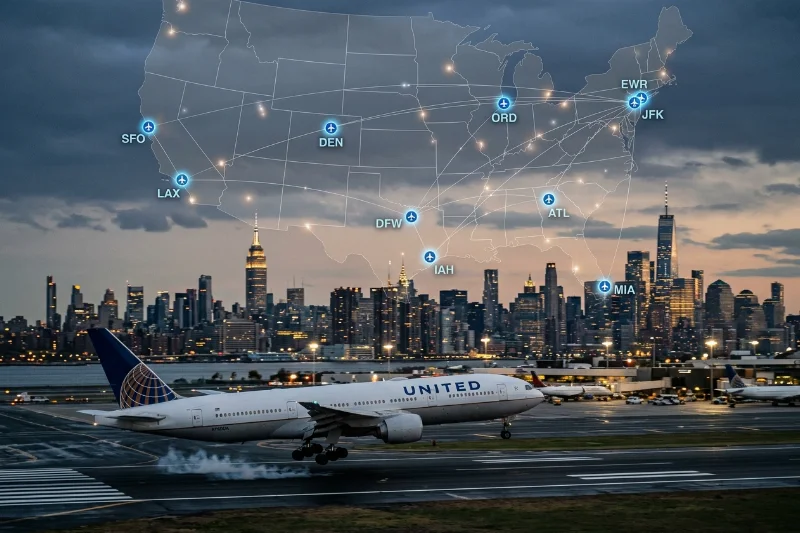
In a move that has sent ripples through both the political and aviation sectors, the latest policy proposal from the Trump campaign aims to restrict or entirely block international air travel to designated “sanctuary cities.” This measure represents a significant escalation in the ongoing conflict between federal immigration enforcement and local jurisdictions that limit their cooperation with federal authorities. The proposal posits that by cutting off direct international access, the federal government can exert financial and logistical pressure on these municipalities to comply with broader immigration mandates.
Supporters of the plan argue that it is a necessary use of federal authority over the nation’s borders and airspace. They contend that sanctuary cities provide a magnet for undocumented migration, and that the federal government possesses the inherent right to manage the flow of international arrivals. By rerouting or suspending these flights, proponents believe the administration can effectively “wall off” non-compliant cities from the global economy, forcing local leaders to reconsider their sanctuary status in the face of dwindling tourism and business travel.
The Economic and Logistical Implications for Major Hubs
The potential economic fallout of such a policy is immense, given that many sanctuary cities—such as New York City, Chicago, and Los Angeles—serve as primary gateways for global commerce. These cities house some of the busiest airports in the world, serving as critical transit points for millions of passengers and billions of dollars in cargo annually. Industry experts warn that disrupting these established routes could lead to massive losses for domestic and international carriers, potentially destabilizing the global aviation network.
Logistically, the rerouting of international flights would pose an unprecedented challenge for the Federal Aviation Administration (FAA) and international regulators. Redirecting traffic to “compliant” cities would require massive infrastructure overhauls at smaller regional airports that lack the customs facilities and runway capacity to handle large wide-body aircraft. Furthermore, such a move would likely trigger reciprocal actions from foreign nations, leading to a breakdown in international bilateral aviation agreements that have been in place for decades.
Legal Thresholds and Federal Authority
Legal scholars are already debating the constitutionality of using the FAA’s regulatory power as a political tool against specific domestic jurisdictions. While the executive branch holds broad authority over foreign affairs and border security, the Supreme Court has historically limited the government’s ability to coerce states and cities into enforcing federal law through the withholding of essential services or the disruption of commerce.
The Role of the Commerce Clause
Central to the legal debate is the Commerce Clause, which grants Congress the power to regulate commerce with foreign nations. Critics of the flight ban argue that the executive branch cannot unilaterally block commerce to specific cities based on their local policy stances. They assert that such an action would be an arbitrary and capricious use of power, likely facing immediate injunctions in federal courts. However, proponents point to national security statutes that allow the President to restrict air travel during periods of perceived crisis or to ensure the integrity of the nation’s borders.
Furthermore, the proposal touches upon the Tenth Amendment, which reserves powers not delegated to the federal government to the states. Sanctuary policies are often rooted in the state’s right to manage its own law enforcement resources. Attempting to penalize this autonomy by cutting off international aviation links would set a legal precedent that could fundamentally shift the balance of power between federal and local governments in the United States.
Political Strategy and Public Perception
Politically, the proposal serves as a powerful message to a base that prioritizes strict immigration enforcement. It frames the immigration debate not just as a border issue, but as a struggle for control over the nation’s infrastructure. By targeting high-profile urban centers, the proposal highlights the cultural and political divide between the administration’s supporters and the leadership of major American cities, turning international airports into the newest battlegrounds in the “culture wars.”
Local leaders in targeted cities have been quick to denounce the plan, calling it a form of “economic hostage-taking.” Mayors from across the country have issued joint statements asserting that their status as sanctuary cities is a matter of public safety and constitutional right, and that they will not be intimidated by threats to their transportation hubs. They argue that such policies would harm American citizens and businesses far more than they would deter undocumented immigration.
The Impact on International Relations
On the international stage, the proposal could strain relations with key allies. Many international airlines are state-owned or heavily subsidized by their home governments; a ban on their flights to major American cities would be viewed as a hostile economic act. This could lead to a series of “tit-for-tat” restrictions, where American carriers are banned from landing in major European or Asian capitals, ultimately damaging the competitive edge of the U.S. airline industry.
Ultimately, the feasibility of stopping international flights to sanctuary cities remains a subject of intense skepticism. Beyond the legal and economic hurdles, the pure administrative complexity of such an undertaking is daunting. Nevertheless, the mere introduction of the proposal signals a significant shift in policy priorities, where the tools of global commerce are increasingly leveraged as instruments of domestic political and social control.
As the election cycle progresses, the rhetoric surrounding this proposal is expected to intensify. Whether it becomes an actionable policy or remains a symbolic gesture, the discussion itself highlights the deepening fractures within the American federalist system. For now, the aviation industry and local governments remain on high alert, watching for the first signs of a regulatory shift that could redefine the nature of international travel to the United States.
In a move that has sent ripples through both the political and aviation sectors, the latest policy proposal from the Trump campaign aims to restrict or entirely block international air travel to designated “sanctuary cities.” This measure represents a significant escalation in the ongoing conflict between federal immigration enforcement and local jurisdictions that limit their cooperation with federal authorities. The proposal posits that by cutting off direct international access, the federal government can exert financial and logistical pressure on these municipalities to comply with broader immigration mandates.
Supporters of the plan argue that it is a necessary use of federal authority over the nation’s borders and airspace. They contend that sanctuary cities provide a magnet for undocumented migration, and that the federal government possesses the inherent right to manage the flow of international arrivals. By rerouting or suspending these flights, proponents believe the administration can effectively “wall off” non-compliant cities from the global economy, forcing local leaders to reconsider their sanctuary status in the face of dwindling tourism and business travel.
The Economic and Logistical Implications for Major Hubs
The potential economic fallout of such a policy is immense, given that many sanctuary cities—such as New York City, Chicago, and Los Angeles—serve as primary gateways for global commerce. These cities house some of the busiest airports in the world, serving as critical transit points for millions of passengers and billions of dollars in cargo annually. Industry experts warn that disrupting these established routes could lead to massive losses for domestic and international carriers, potentially destabilizing the global aviation network.
Logistically, the rerouting of international flights would pose an unprecedented challenge for the Federal Aviation Administration (FAA) and international regulators. Redirecting traffic to “compliant” cities would require massive infrastructure overhauls at smaller regional airports that lack the customs facilities and runway capacity to handle large wide-body aircraft. Furthermore, such a move would likely trigger reciprocal actions from foreign nations, leading to a breakdown in international bilateral aviation agreements that have been in place for decades.
Legal Thresholds and Federal Authority
Legal scholars are already debating the constitutionality of using the FAA’s regulatory power as a political tool against specific domestic jurisdictions. While the executive branch holds broad authority over foreign affairs and border security, the Supreme Court has historically limited the government’s ability to coerce states and cities into enforcing federal law through the withholding of essential services or the disruption of commerce.
The Role of the Commerce Clause
Central to the legal debate is the Commerce Clause, which grants Congress the power to regulate commerce with foreign nations. Critics of the flight ban argue that the executive branch cannot unilaterally block commerce to specific cities based on their local policy stances. They assert that such an action would be an arbitrary and capricious use of power, likely facing immediate injunctions in federal courts. However, proponents point to national security statutes that allow the President to restrict air travel during periods of perceived crisis or to ensure the integrity of the nation’s borders.
Furthermore, the proposal touches upon the Tenth Amendment, which reserves powers not delegated to the federal government to the states. Sanctuary policies are often rooted in the state’s right to manage its own law enforcement resources. Attempting to penalize this autonomy by cutting off international aviation links would set a legal precedent that could fundamentally shift the balance of power between federal and local governments in the United States.
Political Strategy and Public Perception
Politically, the proposal serves as a powerful message to a base that prioritizes strict immigration enforcement. It frames the immigration debate not just as a border issue, but as a struggle for control over the nation’s infrastructure. By targeting high-profile urban centers, the proposal highlights the cultural and political divide between the administration’s supporters and the leadership of major American cities, turning international airports into the newest battlegrounds in the “culture wars.”
Local leaders in targeted cities have been quick to denounce the plan, calling it a form of “economic hostage-taking.” Mayors from across the country have issued joint statements asserting that their status as sanctuary cities is a matter of public safety and constitutional right, and that they will not be intimidated by threats to their transportation hubs. They argue that such policies would harm American citizens and businesses far more than they would deter undocumented immigration.
The Impact on International Relations
On the international stage, the proposal could strain relations with key allies. Many international airlines are state-owned or heavily subsidized by their home governments; a ban on their flights to major American cities would be viewed as a hostile economic act. This could lead to a series of “tit-for-tat” restrictions, where American carriers are banned from landing in major European or Asian capitals, ultimately damaging the competitive edge of the U.S. airline industry.
Ultimately, the feasibility of stopping international flights to sanctuary cities remains a subject of intense skepticism. Beyond the legal and economic hurdles, the pure administrative complexity of such an undertaking is daunting. Nevertheless, the mere introduction of the proposal signals a significant shift in policy priorities, where the tools of global commerce are increasingly leveraged as instruments of domestic political and social control.
As the election cycle progresses, the rhetoric surrounding this proposal is expected to intensify. Whether it becomes an actionable policy or remains a symbolic gesture, the discussion itself highlights the deepening fractures within the American federalist system. For now, the aviation industry and local governments remain on high alert, watching for the first signs of a regulatory shift that could redefine the nature of international travel to the United States.
In a move that has sent ripples through both the political and aviation sectors, the latest policy proposal from the Trump campaign aims to restrict or entirely block international air travel to designated “sanctuary cities.” This measure represents a significant escalation in the ongoing conflict between federal immigration enforcement and local jurisdictions that limit their cooperation with federal authorities. The proposal posits that by cutting off direct international access, the federal government can exert financial and logistical pressure on these municipalities to comply with broader immigration mandates.
Supporters of the plan argue that it is a necessary use of federal authority over the nation’s borders and airspace. They contend that sanctuary cities provide a magnet for undocumented migration, and that the federal government possesses the inherent right to manage the flow of international arrivals. By rerouting or suspending these flights, proponents believe the administration can effectively “wall off” non-compliant cities from the global economy, forcing local leaders to reconsider their sanctuary status in the face of dwindling tourism and business travel.
The Economic and Logistical Implications for Major Hubs
The potential economic fallout of such a policy is immense, given that many sanctuary cities—such as New York City, Chicago, and Los Angeles—serve as primary gateways for global commerce. These cities house some of the busiest airports in the world, serving as critical transit points for millions of passengers and billions of dollars in cargo annually. Industry experts warn that disrupting these established routes could lead to massive losses for domestic and international carriers, potentially destabilizing the global aviation network.
Logistically, the rerouting of international flights would pose an unprecedented challenge for the Federal Aviation Administration (FAA) and international regulators. Redirecting traffic to “compliant” cities would require massive infrastructure overhauls at smaller regional airports that lack the customs facilities and runway capacity to handle large wide-body aircraft. Furthermore, such a move would likely trigger reciprocal actions from foreign nations, leading to a breakdown in international bilateral aviation agreements that have been in place for decades.
Legal Thresholds and Federal Authority
Legal scholars are already debating the constitutionality of using the FAA’s regulatory power as a political tool against specific domestic jurisdictions. While the executive branch holds broad authority over foreign affairs and border security, the Supreme Court has historically limited the government’s ability to coerce states and cities into enforcing federal law through the withholding of essential services or the disruption of commerce.
The Role of the Commerce Clause
Central to the legal debate is the Commerce Clause, which grants Congress the power to regulate commerce with foreign nations. Critics of the flight ban argue that the executive branch cannot unilaterally block commerce to specific cities based on their local policy stances. They assert that such an action would be an arbitrary and capricious use of power, likely facing immediate injunctions in federal courts. However, proponents point to national security statutes that allow the President to restrict air travel during periods of perceived crisis or to ensure the integrity of the nation’s borders.
Furthermore, the proposal touches upon the Tenth Amendment, which reserves powers not delegated to the federal government to the states. Sanctuary policies are often rooted in the state’s right to manage its own law enforcement resources. Attempting to penalize this autonomy by cutting off international aviation links would set a legal precedent that could fundamentally shift the balance of power between federal and local governments in the United States.
Political Strategy and Public Perception
Politically, the proposal serves as a powerful message to a base that prioritizes strict immigration enforcement. It frames the immigration debate not just as a border issue, but as a struggle for control over the nation’s infrastructure. By targeting high-profile urban centers, the proposal highlights the cultural and political divide between the administration’s supporters and the leadership of major American cities, turning international airports into the newest battlegrounds in the “culture wars.”
Local leaders in targeted cities have been quick to denounce the plan, calling it a form of “economic hostage-taking.” Mayors from across the country have issued joint statements asserting that their status as sanctuary cities is a matter of public safety and constitutional right, and that they will not be intimidated by threats to their transportation hubs. They argue that such policies would harm American citizens and businesses far more than they would deter undocumented immigration.
The Impact on International Relations
On the international stage, the proposal could strain relations with key allies. Many international airlines are state-owned or heavily subsidized by their home governments; a ban on their flights to major American cities would be viewed as a hostile economic act. This could lead to a series of “tit-for-tat” restrictions, where American carriers are banned from landing in major European or Asian capitals, ultimately damaging the competitive edge of the U.S. airline industry.
Ultimately, the feasibility of stopping international flights to sanctuary cities remains a subject of intense skepticism. Beyond the legal and economic hurdles, the pure administrative complexity of such an undertaking is daunting. Nevertheless, the mere introduction of the proposal signals a significant shift in policy priorities, where the tools of global commerce are increasingly leveraged as instruments of domestic political and social control.
As the election cycle progresses, the rhetoric surrounding this proposal is expected to intensify. Whether it becomes an actionable policy or remains a symbolic gesture, the discussion itself highlights the deepening fractures within the American federalist system. For now, the aviation industry and local governments remain on high alert, watching for the first signs of a regulatory shift that could redefine the nature of international travel to the United States.
