Hits: 101
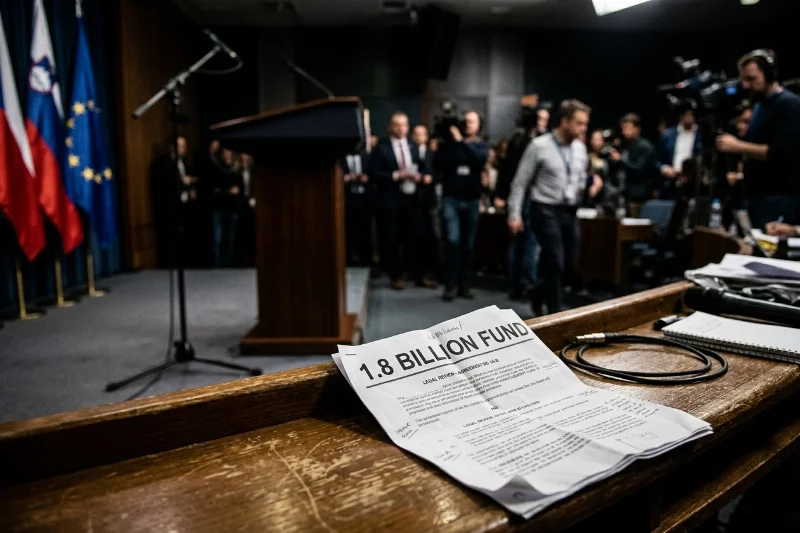
\nIn a sudden reversal that has sent ripples through the political landscape, former President Donald Trump has officially backed away from his contentious proposal to establish a $1.8 billion reward fund for individuals he previously categorized as victims of the judicial system. The move, which once served as a cornerstone of his rhetoric regarding “political prisoners,” represents a significant pivot in his campaign strategy as the general election draws closer. This decision marks a departure from a long-standing promise that had become a recurring theme in his nationwide rallies and fundraising appeals.\n\n\n
The Sudden Shift in Campaign Rhetoric
\n\n\n\nThe proposed fund was initially framed as a financial lifeline for those facing legal repercussions stemming from various high-profile investigations and protests. By retracting this commitment, the campaign appears to be distancing itself from the more radical financial promises that defined the early primary season. This shift suggests a move toward a more fiscally traditional conservative platform aimed at appealing to moderate swing voters who may have been alienated by the scale of the proposed expenditure and the optics of rewarding convicted individuals.\n\n\n
Impact on the Core Voter Base
\n\n\n\nFor many of Trump’s most ardent supporters, the $1.8 billion fund was seen as a symbol of loyalty and protection against what they perceive as weaponized justice. The withdrawal of this support has led to a mixture of confusion and disappointment among certain factions of the MAGA movement. Critics argue that the reversal could weaken the bond between the candidate and his grassroots base, though campaign insiders insist the decision is based on practical administrative realities rather than a change in loyalty to his followers.\n\n\n
Administrative and Legal Obstacles
\n\n\n\nSources close to the Trump transition team indicate that the logistical hurdles of managing such a massive private fund were nearly insurmountable. Questions regarding the legality of distributing billions of dollars to individuals convicted of various crimes created a potential minefield for the campaign’s legal counsel. Navigating the complex web of federal and state statutes would have required an unprecedented legal framework that the campaign was ultimately unwilling to construct amid a high-stakes election cycle.\n\n\nFurthermore, the IRS implications and campaign finance laws likely played a decisive role in the decision to sunset the proposal before it could face formal litigation. Analysts note that such a fund could have been interpreted as an illegal inducement or a violation of non-profit tax exemptions if handled through affiliated political action committees. The risk of opening new legal fronts against the former president was deemed too high by his senior advisory board during recent strategy sessions.\n\n\n
Fiscal Responsibility and Strategic Realignment
\n\n\n\nStrategists point out that $1.8 billion is an astronomical sum for any campaign to allocate outside of direct advertising and operations. By reclaiming these hypothetical funds, the Trump team can redirect their focus toward high-impact battleground states and digital outreach. This realignment is viewed by some as a necessary maturation of the campaign structure, prioritizing winning the upcoming election over fulfilling expensive, legally ambiguous promises made during the height of the primary frenzy.\n\n\nPolitical consultants suggest that the redirection of these resources could provide the GOP with a significant advantage in television airtime and ground game staffing in the final months. The move reflects a broader trend within the campaign to streamline messaging and focus on core economic issues that resonate with a wider demographic. While the “reward fund” was a powerful populist tool, its utility as a general election asset was increasingly questioned by Republican leadership.\n\n\n
The Road Ahead for the GOP Frontrunner
\n\n\n\nAs the 2024 election cycle enters its most critical phase, the abandonment of the felon reward fund will likely be used by opponents to question the consistency of the former president’s promises. Democratic strategists have already begun to frame the reversal as a betrayal of his most loyal advocates. However, for the Trump campaign, the focus remains on the economy and border security—issues they believe carry more weight with the general electorate and offer a clearer path to victory.\n\n\nLegal experts suggest that while the fund is dead, the rhetoric surrounding the judicial system will likely remain a central part of Trump’s stump speeches. The former president has a history of rebranding failed proposals into new grievances, and it is expected that he will continue to champion the cause of his supporters through different, less costly avenues. The focus will likely shift from direct financial compensation to promises of pardons and structural judicial reform.\n\n\nIn the final analysis, the death of the $1.8 billion fund highlights the friction between populist campaigning and the rigid constraints of governance and law. Whether this pivot will successfully stabilize his platform or provide fodder for political rivals remains to be seen in the coming months. What is clear is that the Trump campaign is entering a more disciplined phase, where financial reality is beginning to take precedence over symbolic gestures of support for the embattled.”,
“seo_desc”: “Donald Trump retracts his $1.8 billion reward fund for convicted supporters, citing legal and administrative hurdles in a major campaign strategy shift.”,
“tags”: [
“Donald Trump”,
“2024 Election”,
“Campaign Finance”,
“Political Strategy”,
“GOP News”
],
“img_prompt”: “A professional journalistic photograph of a podium with a discarded legal document labeled ‘1.8 Billion Fund’ in a blurred background, high-contrast political news aesthetic.”,
“alt_text”: “A political campaign podium representing the news of Trump’s scrapped fund.”,
“optimal_day”: 2,
“optimal_hour”: 10
}