
Hits: 148
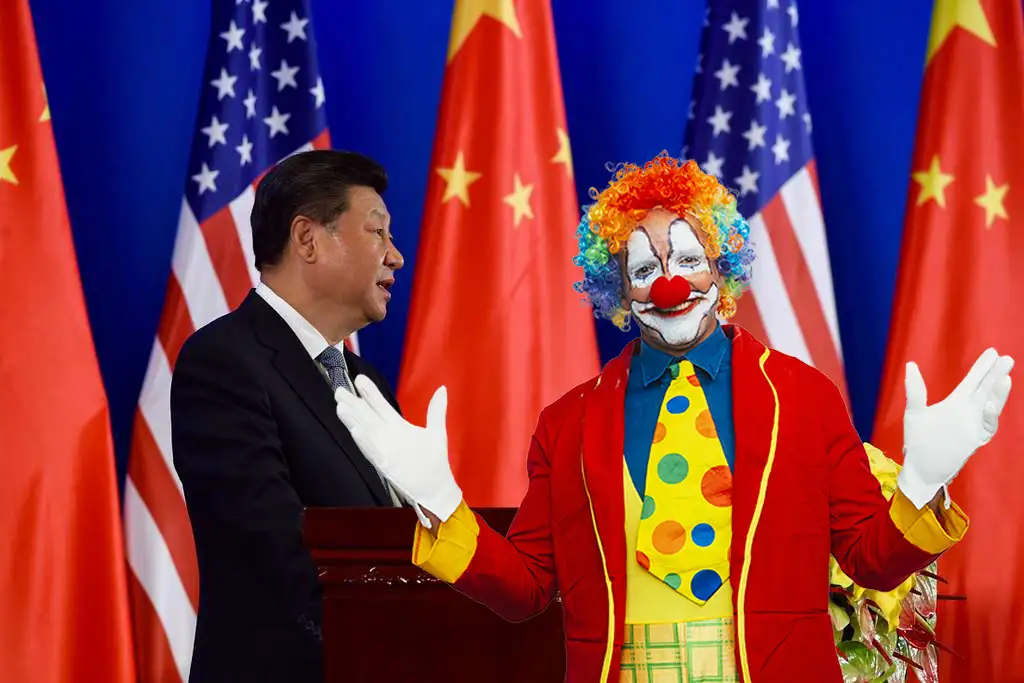
President Donald Trump has returned from his highly publicized state visit to Beijing, but as the dust settles, critics and economists alike are pointing to a stark lack of substantive achievements. Despite the pomp and circumstance of the “state visit-plus” treatment provided by President Xi Jinping, the administration appears to have secured few concessions on the structural issues that have long plagued the bilateral relationship. The journey, meant to rebalance trade and solidify a unified front against North Korea, has instead left many wondering if the United States gave more than it received.
The Persistent Challenge of the Trade Deficit
Central to Trump’s campaign rhetoric was the promise to close the massive trade gap between the U.S. and China. However, the multi-billion dollar deals announced during the trip were largely composed of non-binding memorandums of understanding or extensions of existing agreements. These “window-dressing” deals do little to address the systemic imbalances that favor Chinese manufacturing over American exports. Without a fundamental shift in Beijing’s economic model, the deficit is projected to remain at record highs, leaving the administration’s primary economic objective unfulfilled.
Stagnation on Market Access
One of the most significant hurdles for American firms in China is the restrictive environment regarding market access. While Trump spoke of a “level playing field,” there were no concrete breakthroughs regarding the lifting of joint-venture requirements or the easing of regulatory barriers in sectors like finance and telecommunications. U.S. businesses continue to face a landscape where domestic Chinese firms are heavily subsidized, a reality that remained largely unchallenged during the high-level meetings in the Great Hall of the People.
The Intellectual Property Theft Stalemate
The issue of intellectual property (IP) theft remains a cornerstone of U.S. grievances against China. Despite the administration’s tough talk prior to the trip, the joint statements lacked any specific, enforceable commitments from the Chinese side to curb cyber-espionage or the forced transfer of technology. By failing to secure a formal treaty or a measurable mechanism for oversight, the Trump administration has essentially allowed the status quo to persist, much to the chagrin of the American tech sector.
Geopolitical Deadlock over North Korea
Beyond economics, the primary security goal of the trip was to enlist China’s full cooperation in neutralizing the North Korean nuclear threat. While President Xi reiterated a commitment to UN sanctions, there was no indication of a willingness to implement the kind of “crippling” oil embargo that Washington has been advocating for. China’s primary concern remains the stability of the Kim regime and the prevention of a refugee crisis on its border, a strategic priority that continues to diverge sharply from the U.S. policy of maximum pressure.
Optics Over Substance
The trip was heavy on symbolism—lavish dinners in the Forbidden City and military honors—but light on policy shifts. For Xi Jinping, the visit was a domestic triumph, showcasing his ability to manage the American president while maintaining China’s sovereign interests. For Trump, the lack of a “win” on paper contrasts sharply with his “America First” narrative, suggesting that personal chemistry with world leaders does not necessarily translate into favorable diplomatic outcomes.
Moreover, the absence of a clear joint communiqu9 further underscored the rift between the two nations. In previous administrations, such high-profile visits were usually accompanied by detailed roadmaps for future cooperation. This time, the two leaders appeared to talk past each other on critical issues of maritime security in the South China Sea and human rights. The result is a diplomatic vacuum where uncertainty is the only constant, leaving regional allies like Japan and South Korea questioning the long-term reliability of American leadership in the Pacific.
Ultimately, Donald Trump’s return from China signals a missed opportunity to reset a complex relationship on American terms. While the administration may tout the theatrical success of the visit, the lack of progress on trade, intellectual property, and regional security paints a different picture. As the President settles back into the White House, the fundamental problems that he promised to solve remain exactly where he left them: unresolved and intensifying.
